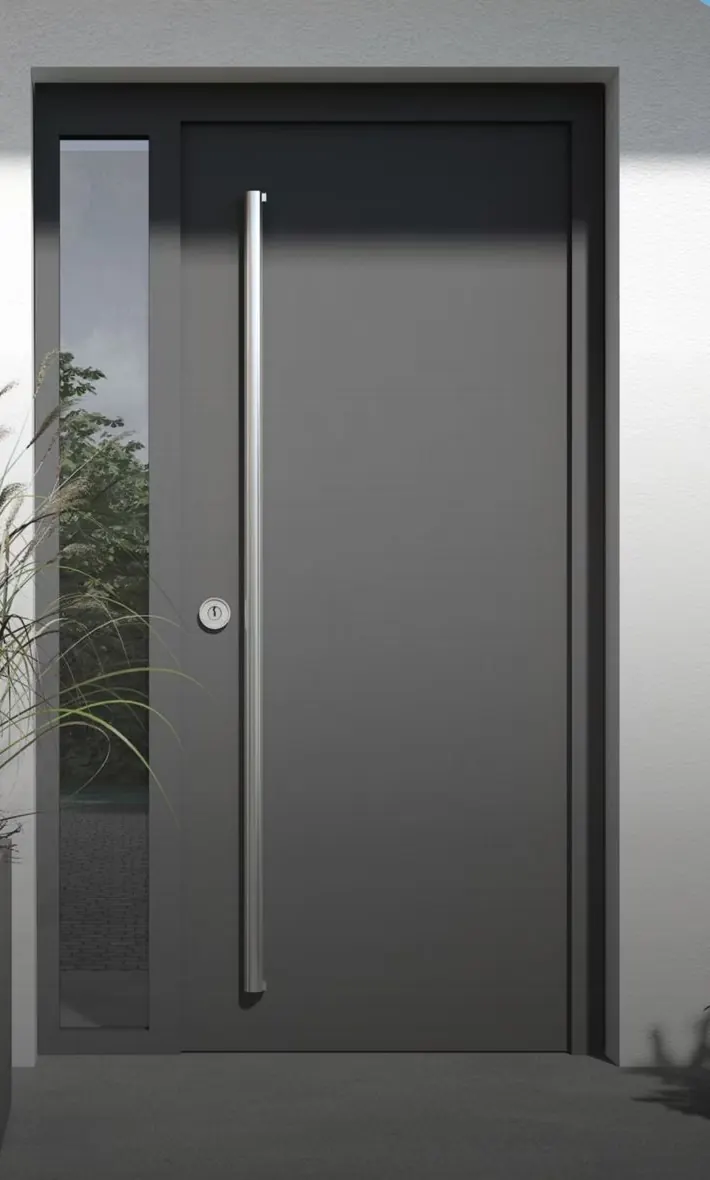
uPVC or Aluminium Windows? How to Choose the Right One
A practical comparison of uPVC and thermally broken aluminium windows: insulation, profiles, colours, large openings, maintenance and when each makes sense.
Products

Aluminium systems suit projects that need large glass areas, sliding doors or a minimalist look. Thermal and acoustic values come from the Declaration of Performance of the selected system.
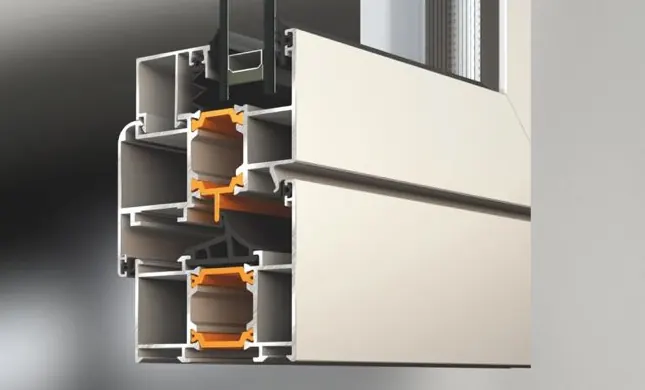
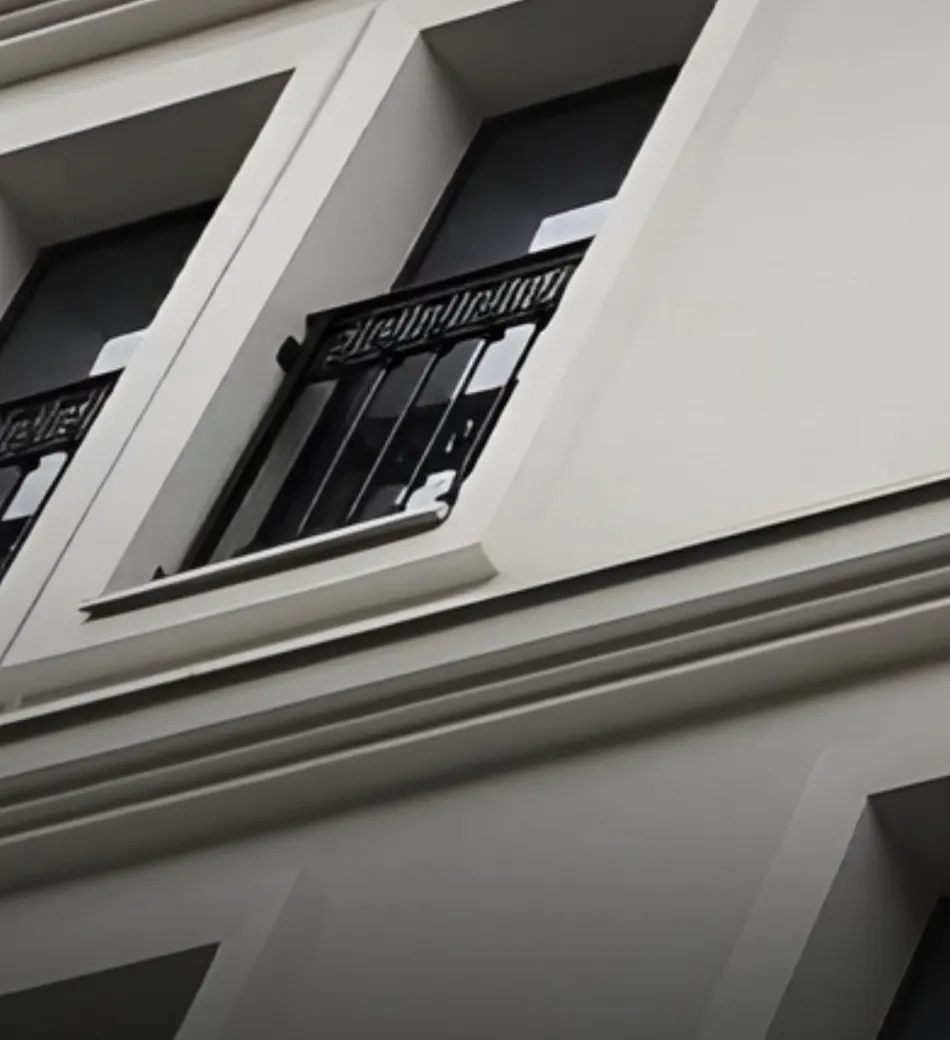
Thermally broken aluminium is chosen when you want large openings, slim profiles or a high-traffic building. Check the system and available series from the manufacturer, the Uw value in the DoP, the glass type and the colour (RAL or wood effect).
For projects with an architect or builder we provide technical sheets, DoP and CE, colour samples and alternative quotes for different systems. See what a thermal break is and sliding door types.
uPVC is usually more economical and very good for homes; aluminium allows larger openings and slimmer profiles. Read our detailed comparison on the blog.
An insulating separator inside the aluminium profile that interrupts heat flow from inside to outside and vice versa.
Yes, we offer a wide range of RAL colours and wood-effect finishes.
The manufacturer’s Declaration of Performance (DoP) and CE marking, the warranty certificate, the maintenance guide and the handover protocol.
Yes. We collaborate with construction companies, developers and architects, with technical documentation, written lead times and on-site coordination.

A practical comparison of uPVC and thermally broken aluminium windows: insulation, profiles, colours, large openings, maintenance and when each makes sense.

The 8 factors that determine the price of uPVC and aluminium windows, how to compare two quotes fairly and what may not be included.
What the DoP and CE marking mean for windows and doors under EN 14351-1, which values they contain and why you should request them before ordering.
Tell us about your building and we’ll reply within 24 hours.